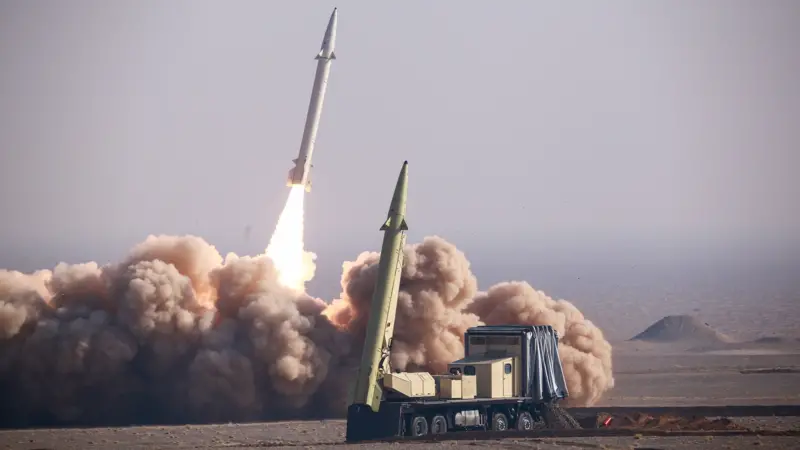
In one of the most serious military escalations in recent Middle Eastern history, **Donald Trump and Benjamin Netanyahu-led forces of the United States and Israel launched coordinated air and missile strikes against Iran on 28 February 2026, setting off a tense and rapidly-evolving conflict that has drawn global attention, triggered violent retaliation, and sparked widespread rumours about the fate of Iran’s Supreme Leader, Ali Khamenei. (Wikipedia)
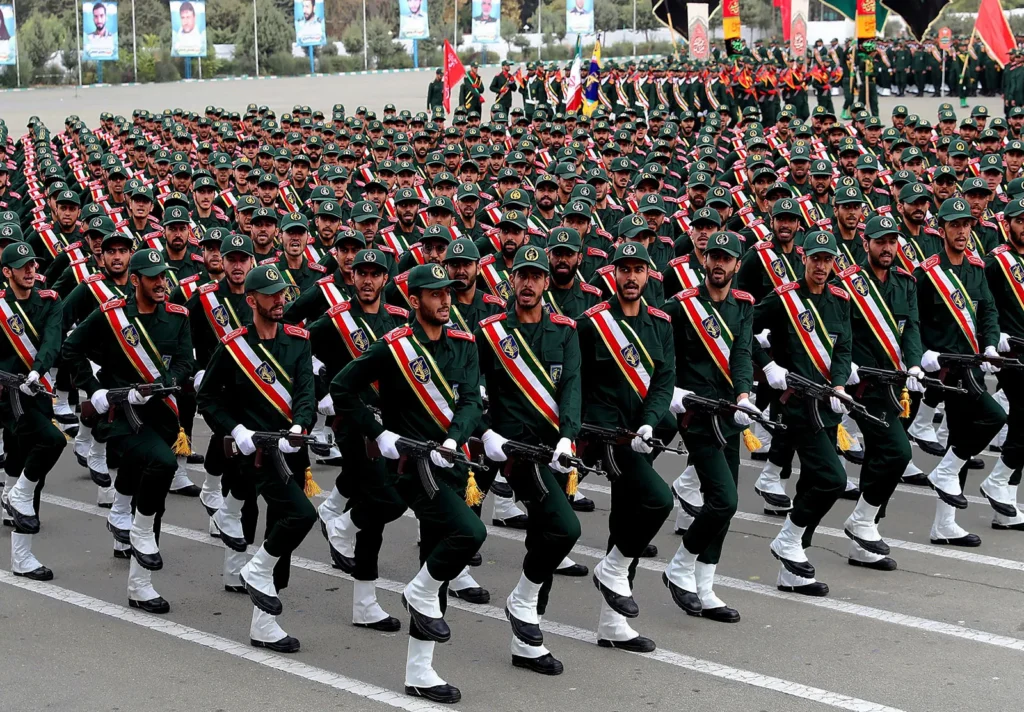
The Strikes: “Operation Lion’s Roar” / “Operation Epic Fury”
Early on 28 February, the Israeli military announced a major offensive code-named Operation Lion’s Roar, described as a “pre-emptive” strike against Iran aimed at crippling Tehran’s nuclear, missile and military infrastructure. The operation was carried out alongside the United States, which internally referred to its part of the campaign as Operation Epic Fury. (Wikipedia)
Explosions were heard from Tehran to other Iranian cities such as Isfahan, Qom, Karaj and Kermanshah, as warplanes and missiles struck:
- Iranian military bases and weapons depots
- Ballistic missile launchers and air-defence systems
- Government and strategic command facilities
- Areas around Khamenei’s compound in the capital
Satellite imagery and eyewitness reports showed plumes of smoke rising over Tehran, and authorities ordered emergency measures and civil defence alerts. (Wikipedia)
Trump announced American involvement, saying the strikes were designed “to defend the American people by eliminating imminent threats from the Iranian regime.” Netanyahu said the actions were necessary to counter what he described as decades of Iranian aggression and destabilising conduct. (Wikipedia)
Casualties and Damage Reported
While full tallies are still emerging, multiple sources indicate serious losses:
In Iran
- Missile and weapons sites destroyed, including in western and central Iran. (The Times of Israel)
- Iranian Defense Council Secretary Ali Shamkhani was reportedly killed, adding to the list of high-ranking officials lost in the strikes. (ایران اینترنشنال | Iran International)
- Explosions hit civilian areas — including a strike near a girls’ school in Minab, where more than 40 students were reportedly killed and dozens injured. (The Media Line)
- Fires and damage were seen at power and infrastructure facilities in parts of Tehran. (The Media Line)
Across the Region
- Iran responded with dozens of ballistic missiles and drones targeting Israeli territory and U.S. bases in countries such as Qatar, Kuwait, Bahrain, Saudi Arabia, and the UAE. (The Guardian)
- A person was killed in the United Arab Emirates from debris linked to the clashes. (The Times of India)
- Gulf nations reported the interception of missile threats and closed airspace while flights were disrupted in several countries. (The Times of India)
Casualties on the Israeli side include dozens injured by panic and shelling, though exact numbers vary as the situation develops. (Wikipedia)
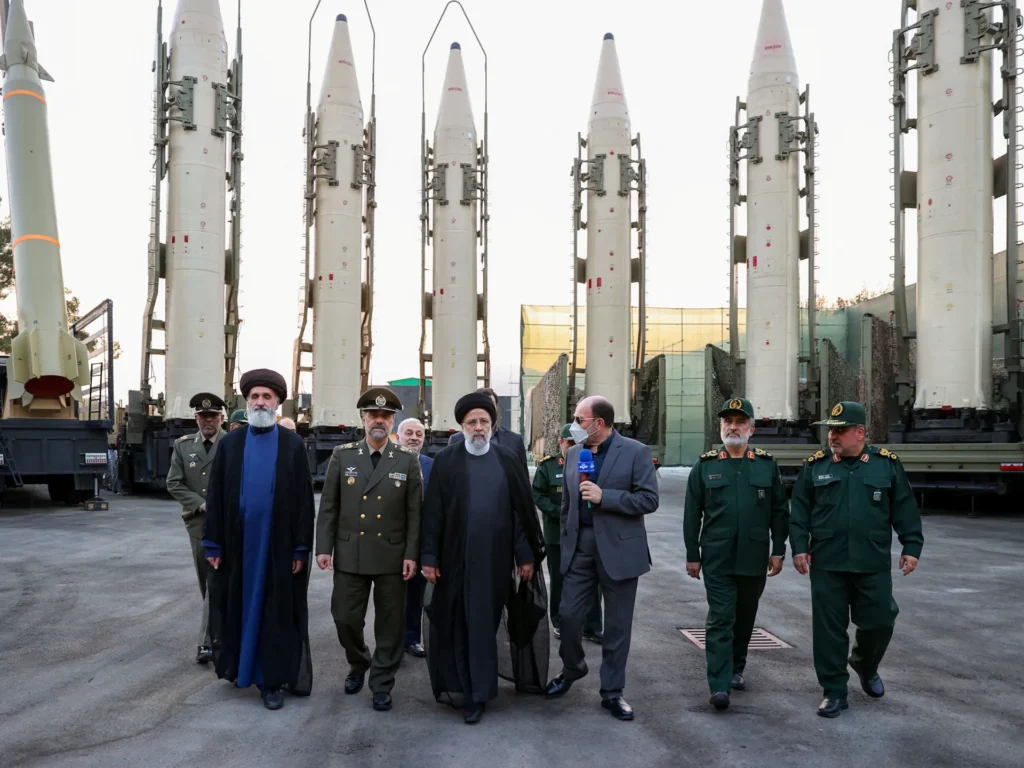
Rumours About Khamenei’s Fate
Within hours of the initial explosions, Israeli media outlets including Channel 12 and other sources circulated reports suggesting that Iran’s Supreme Leader Ali Khamenei may have been killed or seriously injured in the attack. These claims were based on the intensity of strikes near his compound and a lack of immediate official communication. (Facebook)
However, Iranian authorities denied these rumours. Officials said Khamenei was not in Tehran at the time and had been moved to a secure location before the attacks. Tehran’s government maintained that its leadership, including Khamenei and President Masoud Pezeshkian, were alive and coordinating the response. (Reuters)
No confirmed public appearance or direct evidence of his condition has yet been released, but Tehran has been keen to dispel any suggestion that the leadership has been decapitated.
Global Reaction and Diplomatic Fallout
World leaders reacted swiftly:
- Russia condemned the strikes as “unprovoked aggression” and a threat to regional stability, calling for the violence to stop and for peace talks to resume. (AP News)
- European nations and the United Nations Security Council planned emergency discussions to address the crisis and avert further escalation. (The Times of India)
- Some Gulf States condemned Iran’s counterattacks, citing breaches of their airspace and sovereignty. (The Guardian)
A Region on Edge
The ongoing conflict has underscored deep fractures in Middle Eastern geopolitics:
- Long-standing disputes over Iran’s nuclear program, missile development, and regional influence have now erupted into direct conflict. (Wikipedia)
- Economic and human costs are rising, with fears the fighting could spill over further into neighbouring states and unsettle global markets, especially oil. (The Times of India)
- Diplomatic avenues that were active before the strikes may now be jeopardised, as Omani and other mediators expressed dismay at the outbreak of hostilities. (The Times of India)
What Happens Next?
With no clear end in sight:
- Iran’s retaliation continues, with more missiles launched at strategic targets. (The Guardian)
- International diplomacy is under strain, as global powers call for restraint and urgent dialogue. (AP News)
- The rumours about Khamenei’s fate remain unresolved, but the broader conflict marks a historic flashpoint that could reshape regional order.
This crisis — born from military escalation, political rivalry, and long-standing hostilities — remains fluid and dangerous, with global implications that extend far beyond the initial strikes on 28 February 2026. (Wikipedia)