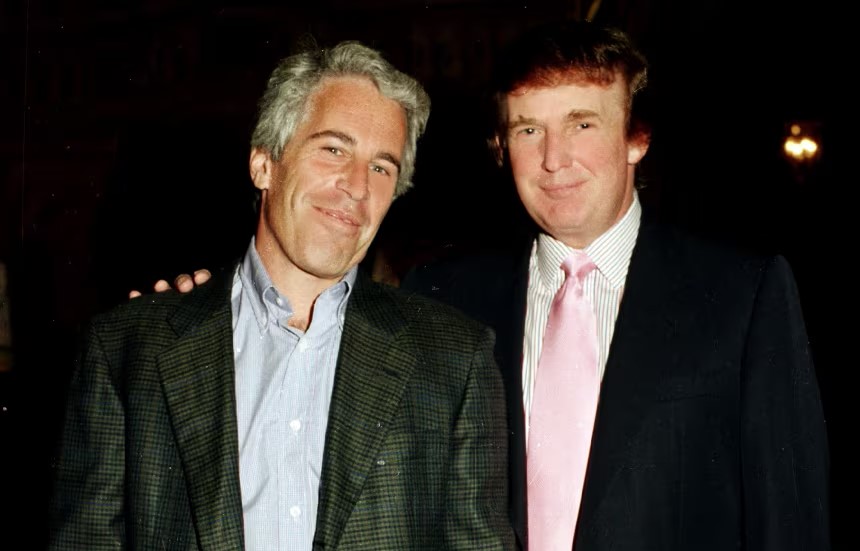
The name Jeffrey Epstein sends shivers down many spines. He was a rich American financier who mixed with the world’s most powerful people. But behind his glamorous life lay a dark secret: he was accused of running a sex-trafficking ring that exploited young girls. The “Epstein files” – thousands of court documents, emails, and records – have been slowly released over the years, revealing his connections to presidents, princes, and celebrities. These files paint a grim picture of how power and money can hide terrible crimes. They stand as a black dot on American culture and history, showing deep flaws in society, justice, and trust. This article explores Epstein’s story, what the files reveal, and why they leave a lasting scar on America.
Who Was Jeffrey Epstein?
Jeffrey Epstein started as a teacher but quickly rose in the world of finance. By the 1980s, he was working for big banks and managing money for the super-rich. He owned luxury homes, including a private island in the Caribbean called Little St James, which some called “Paedophile Island” due to the alleged abuses there. Epstein’s life looked perfect from the outside – he hobnobbed with scientists, artists, and leaders. But in 2005, police in Florida began investigating him after reports of him abusing underage girls.
In 2008, Epstein pleaded guilty to state charges of procuring a minor for prostitution. He got a light sentence: just 13 months in jail, with work release allowed. Many saw this as a sweetheart deal, thanks to his powerful friends. He returned to high society, but the allegations didn’t go away. In 2019, federal prosecutors in New York charged him with sex trafficking. They said he and his helpers lured girls as young as 14 into his homes for sexual acts, paying them and promising them favours.
Epstein died in his jail cell in August 2019. Officials ruled it suicide by hanging, but conspiracy theories exploded. Some claimed he was murdered to silence him about his famous associates. His death left many questions unanswered and fuelled endless speculation.
The Epstein Files: What Are They?
The “Epstein files” aren’t one single list or book. They include court records from lawsuits, FBI investigations, emails, flight logs from his private jet (nicknamed the “Lolita Express”), and more. Much of this came from a 2015 defamation lawsuit by Virginia Giuffre against Ghislaine Maxwell, Epstein’s former girlfriend and accomplice. Giuffre claimed Maxwell recruited her as a teen for Epstein’s abuse.
Maxwell was convicted in 2021 of sex trafficking and sentenced to 20 years. But the files stayed sealed for years to protect privacy. In December 2023, a judge ordered them unsealed, starting in January 2024. These early releases named over 150 people linked to Epstein, but many were already public knowledge.
The story didn’t end there. In 2025, pressure built on the US government to release more. Emails leaked showing possible ties to figures like Donald Trump, who was back in the White House. Congress passed the Epstein Files Transparency Act almost unanimously, and Trump signed it in November 2025. This forced the Justice Department to release millions of pages by early 2026, including videos and images. Deputy Attorney General Todd Blanche called it the final big release, but critics said heavy redactions (blacked-out parts) hid too much.
Key Revelations from the Files
The files don’t have a simple “client list” as some hoped or feared. Instead, they show Epstein’s web of connections. Names include former US Presidents Bill Clinton and Donald Trump, Britain’s Prince Andrew, magician David Copperfield, singer Michael Jackson, and businessmen like Bill Gates and Elon Musk. Being named doesn’t mean guilt – some were just social contacts or flew on his plane without knowing the crimes.
For example, Clinton is mentioned over 50 times, mostly in old depositions. He denies any wrongdoing and says he cut ties with Epstein in 2005. Trump knew Epstein socially in the 1990s and 2000s, once calling him a “terrific guy.” But Trump banned him from his Mar-a-Lago club after hearing rumours. Prince Andrew settled a lawsuit with Giuffre in 2022, denying her claims of abuse.
Newer 2026 releases added details, like emails with art collector Ronald Lauder and mentions of Woody Allen’s wife sending art news. There are also odd bits, like a painting in Epstein’s home showing Clinton in a blue dress. Survivors like Johanna Sjoberg gave depositions describing massages turning sexual and encounters with famous people.
UN experts called the alleged crimes “horrific,” including rape and trafficking, and urged that no one should escape justice. Victims say the releases expose more about them than the abusers, causing fresh pain.
A Stain on American Culture
The Epstein saga reveals ugly truths about American culture. It shows how the elite – politicians, stars, and tycoons – can live by different rules. Epstein’s light 2008 sentence smacked of favouritism, eroding faith in the justice system. Why did it take so long to charge him federally? Many blame his connections.
Social media exploded with theories. On the right, some linked it to Clinton murders; on the left, to Trump’s past. This divided Americans further, turning a tragedy into political ammo. The files fed endless memes, podcasts, and debates, making Epstein a symbol of conspiracy culture.
It also highlights sexism and power imbalances. Young girls from poor backgrounds were preyed on, promised modelling jobs or education. This mirrors broader issues like #MeToo, where powerful men abuse without consequence. Epstein’s art ties – owning provocative paintings and mingling with collectors – show how culture can normalise the weird or wrong among the rich.
Media hype added to the mess. Outlets chased clicks with “list” teases, but releases often disappointed, leading to more distrust. In a time of fake news, the Epstein files became a test of truth versus rumour.
A Dark Mark on American History
Historically, the case joins scandals like Watergate or the Catholic Church abuses – moments when institutions fail the vulnerable. It questions America’s promise of equal justice. The 2025 Transparency Act was a rare bipartisan win, but delays and redactions suggest ongoing cover-ups.
Epstein’s story reflects the Gilded Age reborn: extreme wealth inequality letting the rich buy influence. His “philanthropy” to science and universities now looks like a way to buy respectability. Future historians may see it as a turning point, pushing reforms in sex trafficking laws or elite accountability.
Yet, many abusers remain uncharged. Victims fight for compensation from Epstein’s estate, but justice feels incomplete. This leaves a shadow over America’s self-image as a land of opportunity and fairness.
Conclusion
The Epstein files are more than papers – they’re a mirror to America’s flaws. They expose how power corrupts, how systems protect the mighty, and how society grapples with uncomfortable truths. As a black dot on culture and history, they remind us to demand transparency and justice for all. Survivors deserve closure, and society needs to learn from this to prevent future stains. Until every question is answered, the Epstein shadow will linger, urging us to do better.